
The 2026 ROI Playbook From a Specialized Digital Marketing Agency in Goa
- 15th Septmeber
- 10:00
- Maximaaz Marketing
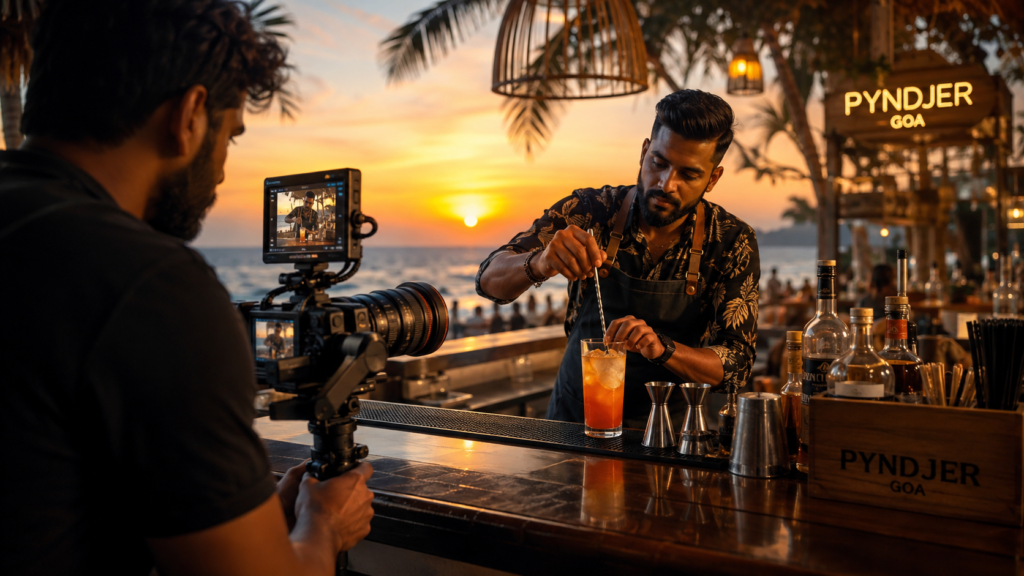
Table of Contents
Hospitality marketing has shifted from chasing vanity metrics to engineering predictable, measurable revenue. If you are operating a resort, cloud kitchen, or fine-dining restaurant, partnering with a specialized digital marketing agency in goa is the difference between bleeding ad spend on empty impressions and driving direct table reservations. As the best digital marketing agency in goa for the F&B and hospitality sectors, MaxiMaaz replaces guesswork with a hardened unit economics playbook. Here is how we structure high-ROI campaigns for tier-1 hospitality brands in 2026.
1. Generative Engine Optimization (GEO) & Local Search
Tourists and locals are no longer scrolling through five-page websites to decide where to eat; they are asking AI assistants and searching Google Maps for specific dining experiences.
- Vibe-Based Search: AI tools now synthesize review data to recommend places based on highly specific prompts (e.g., “sunset dining in Assagao with vegan options”).
- Schema Markup: We deploy structured data on your menu pages so search engines instantly understand your pricing, ingredients, and dietary tags to reduce booking friction.
- Map Pack Dominance: Ranking in the top three results on Google Maps requires a constant velocity of fresh, geo-tagged photos, consistent local backlinks, and immediate review responses.
2. Beating the Aggregator Algorithms
Your digital storefront on Swiggy and Zomato is working 24/7. However, delivery apps like Swiggy and Zomato automatically compress uploaded images to ensure fast loading times across thousands of mobile devices.
- High-Contrast Clarity: When an amateur photo is compressed, fine details vanish. Textures become muddy, colors distort, and your food loses its appetite appeal. Professionals use deliberate contrast and directional lighting so that even when an image is shrunk down to a tiny 2-inch mobile thumbnail, the hero dish remains instantly recognizable and mouth-watering.
- Hero Element Framing: We optimize menus by placing the core ingredient front and center, utilizing shallow depth-of-field to blur out distracting backgrounds and focus the viewer’s attention on the dish.
3. The Inverted Funnel: Prioritizing Retention Over Acquisition
Chasing new strangers via broad Facebook ads is the most expensive way to grow a restaurant in a saturated tourist market. The modern hospitality ROI playbook relies on the “inverted funnel”—turning first-timers into loyal regulars immediately to maximize customer lifetime value.
- First-Visit Capture: We implement table-side Wi-Fi logins or digital loyalty opt-ins to seamlessly capture contact data the moment a guest sits down.
- Automated Nurture Sequences: Sending a personalized post-visit message or a tailored menu recommendation within 24 hours drastically increases the second-visit conversion rate.
- Compounding Margin: By increasing repeat visits without paying platform commissions, you effectively lower your Customer Acquisition Cost (CAC) and exponentially improve the return on your initial marketing spend.
4. Dual-Format Visual Production
A premium hospitality brand cannot survive on stock imagery or poorly lit smartphone photos. Real food changes fast under hot lights—greens wilt, sauces skin over, and fried items lose their crispness within minutes.
- 16:9 Cinematic Assets: We capture high-resolution horizontal cinema logs and stills for website hero banners and OTA listings to build immediate trust and showcase the property’s true scale.
- 9:16 Vertical Delivery: Media is simultaneously styled and exported natively for Instagram Reels and TikTok, driving algorithmic discovery without requiring additional ad spend.
Evaluating your unit economics, aggregator commission drag, and direct customer acquisition yields is the first step to scaling your F&B brand profitably. Stop losing margin to inefficient ad campaigns and compressed menu visuals. Utilize our F&B Marketing Budget & ROI Calculator to model your 2026 growth, or reach out to our team at MaxiMaaz to schedule a comprehensive hospitality growth audit today.
Ready to stop losing margin to third-party aggregators and generalist marketing tactics? Download our complete 2026 F&B Growth Playbook for free. This comprehensive 8-page PDF expands on the core strategies outlined above, equipping you with visual aggregator optimization guides, our proprietary 2026 growth budget matrix, and an exclusive Agency Vetting Scorecard. Click below to secure your copy and start engineering predictable, direct revenue for your Goan hospitality brand today.
Frequently Asked Questions (FAQs)
Why should a Goan restaurant hire a specialized F&B digital marketing agency over a generalist? Generalist agencies apply the same broad tactics to real estate, software, and restaurants, often ignoring Goa’s extreme seasonal shifts and the highly visual nature of food. A specialized agency focuses purely on hospitality unit economics, menu engineering, direct reservation generation, and commercial food styling to increase your measurable footfall rather than just social media “likes.”
What is “Zero-Click” Local SEO, and why does it matter for hospitality? Most tourists and locals no longer scroll through multiple website pages to find a place to eat; they make instant decisions based on the top three Google Maps results. Zero-Click SEO involves optimizing your Google Business Profile with menu schema markup, geo-tagged photos, and review velocity strategies so your property ranks instantly for high-intent searches like “sunset dining near me.”
How does Swiggy and Zomato visual compression hurt my delivery sales? Delivery apps automatically compress image files to load faster on mobile devices. If your menu photos are taken on a smartphone or poorly lit, this compression destroys the fine details, making the food look muddy and unappetizing. We engineer high-contrast, macro-focused imagery designed specifically to survive this compression, ensuring your 2-inch thumbnail commands attention and drives higher conversion rates.
What is the “Inverted Funnel” strategy in restaurant marketing? Instead of constantly spending expensive ad dollars to acquire new, one-time tourists, the inverted funnel prioritizes immediate retention. By utilizing table-side Wi-Fi logins or digital loyalty opt-ins, we capture guest data during their first visit. We then use automated nurture sequences to drive repeat visits, effectively lowering your Customer Acquisition Cost (CAC) and maximizing long-term profit margins.
Why do I need both 16:9 and 9:16 visual assets for my resort? Different digital placements require entirely different visual framing. High-resolution 16:9 (horizontal) cinematic assets are mandatory for building trust on your website’s hero banner and OTA listings. Simultaneously, 9:16 (vertical) assets must be natively shot and styled to drive algorithmic discovery on platforms like Instagram Reels and TikTok without looking awkwardly cropped.
Stop wasting budget on generic marketing.
If you operate a premium hospitality or F&B brand in Goa and want to build a predictable revenue engine, it is time to work with specialists. Contact MaxiMaaz today to book a free Growth Audit and discover the difference a specialized agency can make.